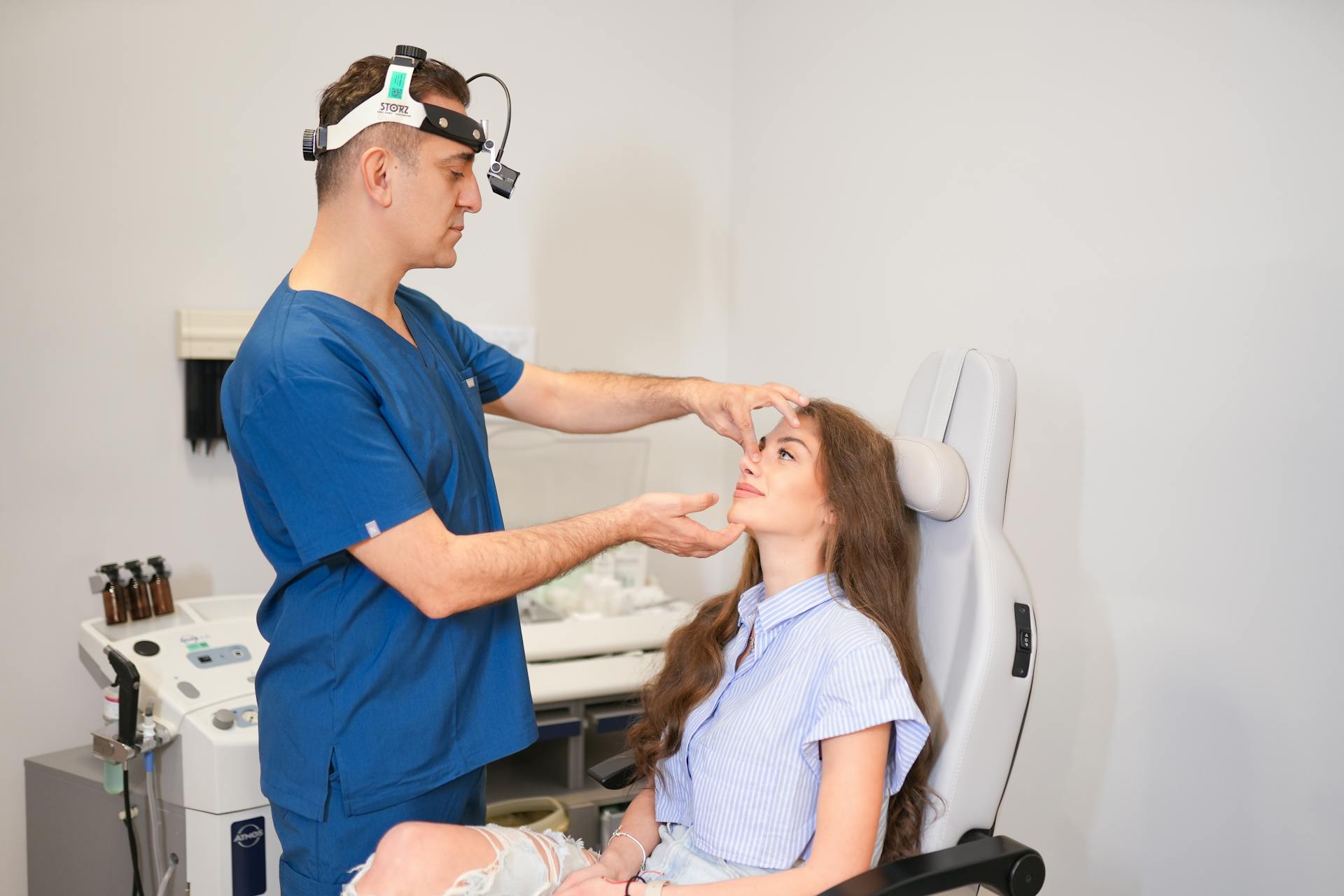
Roughly 220,000 rhinoplasty procedures are performed each year in the United States alone, making it one of the top five most requested cosmetic surgeries according to the American Society of Plastic Surgeons’ 2023 report.
Yet the gap between a satisfying result and a disappointing one often comes down to a single factor : how well-prepared the patient was before stepping into the surgeon’s office.
A structured rhinoplasty consultation checklist is not a luxury – it’s a precision tool.
What to bring to your nose job consultation

Think of your first surgical consultation the way a seasoned professional approaches a supplier audit : you don’t walk in empty-handed.
You gather data, prepare documentation, and set clear benchmarks before the conversation even starts. The same logic applies here.
Start by assembling your medical history file. This should include any previous surgeries (especially nasal or facial), a list of current medications and supplements, known allergies — particularly to anesthetics — and results from any recent blood tests or imaging.
If you’ve had a rhinoplasty before, bring photos from before and after that procedure. Surgeons work with this data the way a supply chain manager reads a shipment report : every detail shapes the next decision.
Reference images matter enormously. Select three to five photos of noses you find aesthetically aligned with your goals — not celebrity faces you want to replicate, but structural shapes that resonate with your own features.
Add one or two photos of yourself from different angles, in natural light. This visual brief gives your surgeon actionable input rather than vague impressions.
Finally, prepare a written list of your functional concerns. Difficulty breathing, a deviated septum, chronic congestion — these medical issues may be addressed simultaneously and could affect insurance coverage or surgical planning.
Key questions to ask your plastic surgeon
The consultation is your due diligence window. Much like verifying a manufacturer’s certifications before placing an order, you need to validate your surgeon’s qualifications, approach, and track record before committing. Vague answers should raise flags immediately.
Here is a structured list of questions organized by category :
- Credentials and experience : Are you board-certified by the American Board of Plastic Surgery or the American Board of Facial Plastic and Reconstructive Surgery ? How many rhinoplasties do you perform annually ?
- Surgical technique : Do you use an open or closed approach for this case, and why ? Will you use cartilage grafts, and if so, from where ?
- Realistic outcomes : What are the limitations given my anatomy ? Can I see before-and-after photos of patients with similar nasal structures ?
- Risks and revision rate : What is your personal revision rate ? What are the most common complications you’ve encountered ?
- Recovery timeline : When can I return to work ? When will swelling fully resolve ?
That last point deserves special attention. Full resolution of post-rhinoplasty swelling takes an average of 12 months — and up to 18 months for thick-skinned patients.
Any surgeon who promises visible final results within three months is either misinformed or overselling. Track these answers the way you’d track delivery milestones : with precision and healthy skepticism.
Points to discuss and benchmarks to verify

Beyond questions, certain topics require active discussion rather than passive listening. This is where many patients lose the thread — they hear reassuring words but leave without clear, measurable commitments.
| Topic | What to verify | Red flag |
|---|---|---|
| Surgical facility | Accredited OR, anesthesiologist on-site | Office-based procedure without accreditation |
| Simulation imaging | 3D morphing used as a communication tool, not a guarantee | Surgeon promises exact match to simulation |
| Total cost breakdown | Surgeon fee, anesthesia, facility, post-op care included | Single lump sum with no itemized detail |
| Revision policy | Written policy on revision fees within 12 months | No written documentation provided |
Transparency in cost structure is non-negotiable. A detailed, itemized quote protects you legally and financially — the same way a clear purchase order protects both sides of a business transaction.
If the practice can’t produce one, that tells you something important about how they manage their process overall.
Discuss anesthesia type as well. General anesthesia versus sedation isn’t just a comfort preference — it affects recovery time, risk profile, and facility requirements.
Make sure the anesthesiologist is independently credentialed, not simply a nurse anesthetist working under the surgeon’s supervision.
Building your personal pre-surgery dashboard
After the consultation, the real work begins. Treat the information you’ve gathered as a live document, not a closed file.
Create a simple tracking sheet — digital or paper — that logs every commitment made : surgical date, pre-op instructions, medication restrictions, and follow-up appointment schedule.
Note the surgeon’s responses to your most critical questions. Did they give specific, quantified answers or deflect with generalities ? Did they acknowledge the limits of what surgery can achieve, or did they amplify your expectations?
A surgeon who manages your expectations rigorously is far more trustworthy than one who promises perfection.
Set reminders for pre-op requirements : stopping certain supplements like fish oil or vitamin E at least two weeks before surgery, arranging post-op care for the first 48 hours, filling prescriptions in advance.
Each item on this pre-surgery checklist is a variable that, if missed, can delay or complicate your procedure. The more granular your preparation, the smoother every stage of the process runs — from initial consultation through full recovery.


